
Part 1: An Introduction to Alternative Investments
1.1 Definition of alternative investments
Alternative investments are predicted to reach $21.1 trillion, representing 15% of all Assets Under Management (AUM). Alternative assets are a distinct class of assets that diverge from the conventional investment types such as stocks, bonds, and cash.
These investments encompass a wide range of assets, including Online Business, Websites & Domain, Social Media Accounts, Real Estate, Private Equity, Private Credit/Debt Financing, Crypto, Startups, Wine, Whiskey and Spirits, Sports, Artwork, Farmland, Music and Film.
The defining characteristic of alternative investments is their lack of correlation with standard asset classes, which makes them an appealing option for diversification and risk management within an investment portfolio.
One of the key benefits of alternative investments is their potential to offer higher returns compared to traditional markets. For instance, online businesses which fall under the umbrella of alternative investments, can provide a lucrative opportunity for investors willing to venture beyond stocks and bonds.
Real estate is another cornerstone of alternative investments, offering both income through rental yields and capital appreciation.
In 2023, the worldwide real estate market was valued at approximately $7,239 billion. Projections by the IMARC Group indicate that by 2032, this market is anticipated to expand to $8,654 billion, with a compound annual growth rate (CAGR) of 1.9% from 2024 to 2032.
Real estate investments can vary widely, from residential and commercial properties to real estate investment trusts (REITs), offering investors flexibility in their investment strategies.
Commodities and tangible assets like art and collectibles offer yet another dimension of alternative investing. These assets are often sought after for their potential to protect against inflation and currency devaluation.
The value of these tangible assets can be influenced by a myriad of factors including rarity, demand, and economic conditions, making them an interesting option for investors looking for assets that do not move in tandem with the stock or bond markets.
The allure of alternative investments lies in their unique characteristics and the diversification benefits they can provide to an investment portfolio. However, it’s important to note that these investments also come with their own set of risks and challenges, including liquidity concerns, higher fees, and the need for specialized knowledge to navigate these markets effectively.
Despite these challenges, the potential for higher returns and portfolio diversification continues to drive interest in alternative investments among both individual and institutional investors.
1.2 Overview of Traditional vs. Alternative Investments
Traditional investments and alternative investments represent two broad categories within investing, each with its own characteristics, risk profiles, and potential benefits. Understanding the differences between these two can help investors make informed decisions based on their financial goals, risk tolerance, and investment timeline. Here’s an overview:
Traditional Investments
Traditional investments are the cornerstone of most investment portfolios, embodying the quintessential assets that have long been recognized for their reliability and ease of understanding. These include:
- Stocks: Representing ownership in a company, stocks are a popular choice for investors looking to benefit from the company’s growth and profitability through capital appreciation and dividends.
- Bonds: As a form of loan to the government or corporations, bonds offer investors a fixed income over time, making them important for those seeking stable returns.
- Cash and Cash Equivalents: Including savings accounts, certificates of deposit, and Treasury bills, these assets are highly liquid, offering security and accessibility, albeit with lower returns.
Benefits of Traditional Investments
- Liquidity: Stocks and bonds are generally more liquid than alternative investments, allowing for quicker and easier conversion to cash.
- Regulation and Transparency: The traditional investment market is highly regulated, offering investors a level of protection and access to reliable information for making decisions.
- Familiarity and Accessibility: Many investors are more familiar with traditional markets, and these investments are often more accessible through conventional brokerage and retirement accounts.
Risks of Traditional Investments
- Market Volatility: Traditional investments are subject to market fluctuations, which can lead to significant short-term losses.
- Interest Rate Sensitivity: Bonds, in particular, are vulnerable to changes in interest rates, which can affect their value.
- Inflation Risk: The return on traditional investments may not keep pace with inflation, potentially eroding the purchasing power of the investment returns over time.
Alternative Investments
In contrast, alternative investments involve assets and strategies outside of traditional stocks, bonds, and cash. These can include:
- Real Estate: Investments in commercial, residential, and industrial properties, offering potential for income, tax benefits, and appreciation.
- Private Equity: Investing in companies not listed on public stock exchanges, providing opportunities for significant growth, typically available to accredited investors and qualified clients.
- Commodities: Physical goods like gold, oil, and agricultural products, which can serve as a hedge against inflation and diversification from financial assets.
- Collectibles: Art, wine, rare coins, and other tangible assets that appreciate over time due to their rarity and demand.
Benefits of Alternative Investments
- Diversification: Offering low correlation with traditional markets, alternative investments can reduce portfolio risk and enhance returns.
- Inflation Hedge: Many alternative assets, such as real estate and commodities, tend to perform well during periods of inflation.
- Potential for Higher Returns: Some alternative investments, like private equity, have the potential for outsized returns compared to traditional markets.
Risks of Alternative Investments
- Liquidity Issues: Alternative investments often lack the liquidity of traditional assets, making it harder to sell quickly without impacting the price.
- Complexity and Transparency: These investments can be complex, with less regulatory oversight and transparency, requiring a higher degree of due diligence.
- Higher Fees and Minimum Investments: Accessing alternative investments can come with higher fees and require significant initial investments, potentially limiting accessibility for average investors.
In conclusion, while traditional investments offer familiarity, liquidity, and a degree of security, alternative investments provide avenues for diversification, higher potential returns, and an inflation hedge. However, the latter also comes with increased complexity, risks, and barriers to entry.

Understanding the characteristics of each investment class enables investors to tailor their portfolios to their financial goals, risk tolerance, and investment horizon, paving the way for a more balanced and potentially rewarding investment strategy.
Below is a comparison table that highlights key aspects of traditional versus alternative investments, summarizing their characteristics, benefits, and risks to provide a concise overview:
| Aspect | Traditional Investments | Alternative Investments |
| Types of Assets | Stocks, Bonds, Cash and Cash Equivalents | Online businesses, artwork, billboards, books, cars, coins and currency, crypto, cultural assets, farmland, franchises, handbags, impact investing, international investing, managed funds, music and film, newsletters, NFT digital collectibles, patents, precious metals and gems, private credit, private equity, psychedelics, real estate, sneakers, social media accounts, sports, startups, tickets, toys and games, watches, websites and domains, wine etc. |
| Liquidity | Generally high | Generally low |
| Regulation and Transparency | High, with standardized reporting and oversight | Lower, with less standardized reporting and oversight |
| Familiarity and Accessibility | High for most investors through conventional accounts | Lower, may require special accounts or access to private markets |
| Benefits | – Liquidity – Regulation and transparency- Familiarity and accessibility | – Diversification – Inflation hedge – Potential for higher returns |
| Risks | – Market volatility- Interest rate sensitivity – Inflation risk | – Liquidity issues – Complexity and lower transparency – Higher fees and minimum investments |
Importance and growth of alternative investments in the current financial landscape

Alternative investments have become a pivotal aspect of diversification and portfolio enhancement for investors worldwide. Unlike traditional investments such as stocks and bonds, alternative investments encompass many assets, including real estate, private equity, commodities, and tangible assets like art and wine.
This diversification allows investors to mitigate risk and achieve higher returns, particularly in volatile or bearish markets.
The growth of alternative investments is underpinned by significant statistical evidence. A survey of over 100 investment advisors revealed that in the first half of 2022, asset managers allocated approximately 15% of their investment portfolios to alternative assets, marking a 10% increase from the previous year.
One of the key factors driving this growth is the search for yield in a low-interest-rate environment. With traditional fixed-income investments yielding lower returns, investors have turned to alternative assets to boost portfolio performance.
Moreover, technology and regulatory changes have made alternative investments more accessible to a broader audience. Recently, alternative investments have seen disruptive growth in the digital space, with a market capitalization of more than US$1 trillion.
This surge in growth has attracted institutional investors, family offices, and high-net-worth individuals (HNWIs), marking a significant shift towards accepting digital assets as a legitimate aspect of diversified investment portfolios. This increased accessibility has fueled the expansion of the alternative investment market, making it an integral part of the modern financial ecosystem.
Similarly, online businesses have also gained traction in recent years as an alternative investment class for investors. The internet has drastically increased the financial opportunities available to us, including investment in cash-flowing digital assets like e-commerce websites, SaaS (Software as a Service), Display Advertising, Lead Generation, Affiliate Marketing, etc.
Furthermore, the increasing volatility in global markets, spurred by geopolitical tensions, economic uncertainties, and the impacts of climate change, has reinforced the value of alternative investments.
Assets such as online assets often move independently of stock markets, providing a cushion during market turbulence. This characteristic has made alternatives an essential tool for risk management and portfolio diversification.
The importance and growth of alternative investments in the current financial landscape cannot be overstated. They offer a vital avenue for diversification, yield enhancement, and risk mitigation, making them an indispensable component of a well-rounded investment strategy.
As the global economy continues to evolve, the role of alternative investments is set to become even more prominent, reflecting their capacity to adapt to changing market dynamics and investor needs.
1.3 A Historical Perspective on Alternative Investments
Alternative investments have long stood as a diversification option for investors looking to protect themselves from market volatility, seek returns uncorrelated with traditional stock and bond markets, or simply explore new avenues for wealth growth.
As we delve into the historical perspective on alternative investments, it’s essential to understand how these assets have evolved and their significance in the broader financial landscape.
The concept of alternative investments is not new. For centuries, investors have been putting their money into tangible assets like real estate, commodities, precious stones, wine, art and collectibles, land and agriculture.
The appeal of alternative investments often lies in their low correlation with traditional financial markets, which can help reduce overall portfolio risk and enhance returns, especially during market volatility or inflation periods.
Let’s explore some historical perspectives on alternative investments:
Real Estate
Real estate has been a cornerstone of wealth-building for millennia. In ancient civilizations, such as Egypt, Rome, and China, land ownership was synonymous with wealth and power. In more recent history, the expansion of the middle class and the development of real estate investment trusts (REITs) in the 1960s in the United States made real estate investment more accessible to individual investors.
Venture Capital
In the 1970s and 1980s, the alternative investment landscape began to diversify further. Venture capital (VC) emerged as a significant force, with notable successes like Apple and Microsoft showcasing the immense potential returns from investing in startup technology companies.
Commodities
Commodities, including precious metals like gold and silver, have been traded for thousands of years. Civilizations have used these as a medium of exchange, a store of value, and as an investment. In the 1970s, the breakdown of the Bretton Woods system led to a free-floating currency system, which increased volatility in currency and commodity markets, highlighting the value of commodities as a hedge against inflation.
Precious Metals
Gold and silver have been considered valuable assets throughout history. In times of economic uncertainty or inflation, investors often turn to gold as a “safe haven” investment. The Gold Standard, which pegged the value of currency directly to gold, was used by many countries until the 20th century, underscoring the metal’s long-standing role in the global economy.
Art and Collectibles
Investing in art and collectibles has a long history, with wealthy individuals and institutions collecting valuable items for both personal enjoyment and as an investment. The market for fine art, rare wines, vintage cars, and antiques has expanded in the modern era, with these items often appreciating in value over time. The Medici family in Renaissance Italy is a famous example of art patrons whose collections gained immense historical and monetary value.
Land and Agriculture
Investment in agricultural land and produce has been a traditional form of investment for centuries. In medieval Europe, owning land was a primary indicator of wealth. In modern times, investments in agricultural land and commodities like coffee, sugar, and grains continue to be important, especially as global demand for food and biofuels increases.
Precious Stones
Diamonds, rubies, and other precious stones have been prized for their rarity and beauty. While their value can be highly subjective and influenced by trends, they have been considered a form of wealth storage for centuries. The historical trade routes for spices and precious stones, such as the Silk Road, highlight the long-standing global demand for these items.
Wine
Fine wine has become a notable alternative investment, with rare vintages often appreciating in value over time. The history of wine investment dates back to when wine production was first commercialized in regions like Bordeaux, France. Collectors and investors have long recognized the potential for significant returns on investment in fine wines.
Private Equity
Private equity also dates back to the early 20th century, though its roots can be traced to even earlier forms of private financing. It gained traction during this period, allowing investors to participate in the growth of private companies to take them public or sell them at a profit eventually. Private equity has evolved significantly, growing in sophistication and scale.
Alternative investments have a rich history, offering opportunities for portfolio diversification and wealth preservation across different economic periods. Their value can be influenced by various factors, including economic trends, market demand, and historical significance, making them an intriguing option for investors looking for assets beyond traditional stocks and bonds.
According to data from the World Economic Forum, alternative assets under management grew from $1 trillion in 1999 to more than $7 trillion in 2014, illustrating the increasing popularity and acceptance of these investment vehicles.
Today, alternative investments consist of a wide range of assets, including but not limited to, private equity, venture capital, real estate, commodities, art, and antiques. The advent of online businesses, cryptocurrencies and blockchain technology has also introduced a new category of digital assets, further expanding the definition of alternative investments.
One of the critical drivers behind the growth of alternative investments has been their potential to offer higher returns compared to traditional investments, albeit at higher risk. Additionally, their low correlation with the stock and bond markets makes them an attractive option for portfolio diversification, helping investors mitigate risk and reduce volatility.
As the alternative investment market continues to evolve, it’s clear that these assets have become significant in the portfolios of individual and institutional investors alike. With advancements in technology and finance opening up new opportunities, the future of alternative investments looks promising, offering novel ways for investors to achieve their financial goals.
1.4 Key Characteristics of Alternative Investments
Alternative investments represent a distinct category of assets that fall outside the traditional investment options, including stocks, bonds, and cash. These investments offer an avenue for diversification, potential for higher returns, and a hedge against inflation, among other benefits.
This section will delve into the key characteristics that set alternative investments apart, supported by relevant facts and statistics, to provide a comprehensive understanding.
- Diversification: Alternative investments often exhibit low correlation with traditional asset classes, making them an excellent tool for portfolio diversification. This characteristic can reduce overall portfolio risk and smooth out returns over time. According to a report, portfolios that included alternative investments had significantly lower volatility compared to traditional portfolios.
- Higher Return Potential: Historically, certain alternative investments have offered higher return potential over the long term compared to traditional investments. For instance, private equity funds have outperformed the S&P 500 index for 20-year period, according to data from the Cambridge Associates U.S. Private Equity Index.
- Inflation Hedge: Real assets, such as real estate and commodities, which are subcategories of alternative investments, can serve as effective hedges against inflation. Their value often rises with inflation, protecting the purchasing power of an investor’s capital. The National Association of Real Estate Investment Trusts (NAREIT) has shown that REITs have historically provided above-average returns in periods of high inflation.
- Illiquidity and Investment Horizon: Alternative investments typically come with longer investment horizons and lower liquidity compared to stocks and bonds. This is due to the nature of the underlying assets, which can include venture capital, real estate, and collectibles. Investors are often required to commit their capital for extended periods, which can result in higher returns due to the illiquidity premium.
- Complexity and Access: The complexity of alternative investments is higher, requiring specialized knowledge for effective management and understanding. Additionally, access to these investments was traditionally limited to institutional investors or high-net-worth individuals. However, with the advent of new financial technologies and platforms, access has broadened, allowing a wider range of investors to participate.
- Regulatory and Transparency Issues: Alternative investments can be subject to different regulatory and transparency standards than traditional investments. This can sometimes result in less publicly available information, requiring investors to perform more due diligence. Despite these challenges, regulatory frameworks are evolving to provide better protection and transparency for investors.
To sum up, alternative investments’ ability to provide diversification, potentially higher returns, and inflation protection, coupled with their unique challenges such as illiquidity and complexity, make them an interesting area for investment. As the landscape for these investments continues to evolve, it’s crucial for investors to stay informed and conduct thorough research to navigate this dynamic sector effectively.
Part 2: Types of Alternative Investments
2.1 Online businesses
When considering avenues for investment, traditional choices like real estate and bonds often come to mind for those with available capital. However, an increasingly attractive alternative that might not have crossed your radar is investing in an online business.
One of the most compelling reasons to invest in an online business is the potential for passive income. Many online businesses require minimal effort from the owner—ranging from as little as 30 minutes to 10 hours per month—to maintain operations while still yielding impressive returns.
WebStreet offers easy investment in the $5+ trillion online market. The distinct feature of investing with WebStreet lies in the platform’s capability to strategically turn active investment that requires time and expertise into a complete passive income opportunity for investors.
The return rate for e-commerce sales typically falls between 20% and 30%, often surpassing that of traditional retail stores. The online business sector has seen a surge in growth with investors and entrepreneurs showing high interest in taking advantage of this alternative investment opportunity.
With the potential for passive income, high ROI, increasing market value, and comparative advantages in returns, online businesses are positioning themselves as a noteworthy contender in the investment landscape.
Online investments make the best cash-flowing investments due to their ability to generate income without continuous effort. Here are some online business options for you to invest in:
E-Commerce: A Growing Marketplace
E-commerce has seen exponential growth, driven by the expanding online marketplace. It offers entrepreneurs a vibrant platform to sell goods and services. However, it’s essential to understand that e-commerce is not a set-it-and-forget-it avenue for passive income.
It demands active involvement, from managing inventory to customer service.
By partnering with suppliers who handle the storage and shipping of products, business owners can focus on marketing and sales, streamlining the startup process and minimizing overhead costs. WebStreet enables investors to make passive income by offering easy investment avenues in this $5+ trillion market.
Display Advertising: Monetizing Your Online Presence
For those adept in social media or those who have cultivated a large online blog following, display advertising offers a promising revenue stream. This model involves hosting ads on digital platforms, such as blogs or social media profiles, and charging businesses a fee for the exposure.
While it requires upfront effort to establish a substantial and consistent viewership, display advertising can become relatively low-maintenance over time. Successful influencers and content creators often leverage their audience to secure advertising deals, potentially earning up to seven figures in revenue.
WebStreet is currently in acquisition period for its Fund 6. This fund includes display advertising in its portfolio. Previously, WebStreet had also incorporated advertising in its Fund 3 where the platform made 10.3% average cash yield for the investors.
Affiliate Marketing: Earning Through Endorsement
Affiliate marketing is particularly suited for individuals or entities with significant online influence within a specific niche. This model rewards affiliates for generating sales through their platforms, typically via displayed links.
A prime example is The RideShare Guy, who maximizes revenue through affiliate partnerships with companies like Uber and DoorDash. Achieving success in affiliate marketing hinges on possessing a dedicated and engaged audience, making it a perfect fit for content creators who have established trust and authority in their respective fields.
The worldwide affiliate marketing industry is valued over $17 billion and is expected to grow $27.78B by 2027. These numbers show the huge growth potential of the affiliate marketing industry for investors and entrepreneurs, making it a lucrative choice for WebStreet to offer investment avenues in this online business.
SaaS and Apps: Innovating to Simplify Life
SaaS represents a forward-thinking business model that delivers software solutions aimed at simplifying various aspects of life and business operations. Household names like PayPal, Grammarly, and DoorDash illustrate the widespread appeal and utility of SaaS products.
With its recurring revenue model and strong base of customers worldwide, SaaS is a potential high-growth and high-profit opportunity for investors looking to make passive income from this cash-flowing digital asset expected to grow US$282.20 billion in 2024.
WebStreet has 67% of its portfolio allocated to SaaS in its Fund 7 which is managed by our vetted portfolio managers with years of experience in acquiring and scaling this cash-flowing digital asset.
The digital economy presents a wealth of opportunities for those looking to invest in online businesses like e-commerce, display advertising, affiliate marketing, or developing SaaS and mobile applications.
Each path offers distinct advantages and challenges, which are professionally handled by our line-up of expert portfolio managers. WebStreet makes it convenient for busy founders and entrepreneurs to invest in online businesses without any requirement of technical expertise.
2.2 Collectibles and Art
Investing into art and collectibles might offer profitable investment opportunities beyond traditional avenues. However, it demands substantial understanding, specialized skills, and thorough investigation. This sector includes art, wine, classic cars, and memorabilia, each with its own set of market trends and valuation challenges.
Investment in Art, Wine, Classic Cars, and Memorabilia
Investing in art involves purchasing pieces with the expectation that their value will increase over time. The art market is known for its resilience and has outperformed many traditional investments over the long term.
Wine investment has gained popularity, with rare vintages showing remarkable appreciation, driven by scarcity and a growing global demand. Classic cars have emerged as lucrative collectibles, with specific models appreciating due to their historical significance, rarity, and condition. Memorabilia, consisting of a wide range of items from sports, movies, and history, can yield substantial returns, especially when tied to iconic figures or events.
Although collectible investing has its upsides, this alternative investment is not easily and quickly convertible to cash. Unlike dividends from stocks or rental income from real estate, these investments do not provide a regular income stream. The return on investment (ROI) is realized only upon sale, which may not occur for many years.
2.3 Real Estate

Real estate represents one of the oldest and most traditional forms of alternative investment, offering a tangible asset that historically appreciates over time. The allure of real estate as an investment stems from its potential to generate passive income, provide tax benefits, and serve as a hedge against inflation. Within the real estate sector, investors have several avenues to explore, each with its unique characteristics, risk profile, and potential for returns.
Direct Investment in Properties
Direct investment in properties involves purchasing residential or commercial real estate to rent out or to sell at a profit. This method is often lauded for its ability to provide regular income through rentals, along with the prospect of capital appreciation.
However, it requires a significant upfront capital commitment and comes with responsibilities such as maintenance, tenant management, and adherence to legal regulations. According to the National Association of Realtors, the median sales price of existing homes has consistently risen over the past decade, highlighting the long-term value growth potential of direct real estate investments.
Real Estate Investment Trusts (REITs)
Real Estate Investment Trusts (REITs) offer a more accessible route to real estate investment, allowing individuals to invest in portfolios of real estate assets without having to directly buy, manage, or finance properties themselves. REITs are traded on major stock exchanges, providing liquidity and flexibility that direct property investments lack.
By law, REITs must pay out at least 90% of their taxable income to shareholders in the form of dividends, making them an attractive option for income-seeking investors. As reported by the National Association of Real Estate Investment Trusts, the total annual return of U.S. equity REITs has averaged approximately 10.4% over the past 20 years, demonstrating their potential as a robust investment vehicle.
Real Estate Crowdfunding
Real estate crowdfunding is a relatively new yet rapidly growing segment within the real estate investment landscape. It allows investors to pool their money together, typically via an online platform, to invest in real estate projects or properties they may not have been able to afford or access individually.
This method democratizes access to real estate investments, offering lower entry costs and the opportunity to diversify across different types of properties and geographical areas. Crowdfunding platforms often provide investors with detailed information about the projects, including expected returns, project duration, and risk assessments
According to a report by the Cambridge Centre for Alternative Finance, the global real estate crowdfunding market has seen significant growth, with funds raised through such platforms increasing exponentially in recent years.
Real estate remains a cornerstone of alternative investments, appealing to a broad range of investors seeking to diversify their portfolios beyond traditional stocks and bonds. Whether through direct property investment, REITs, or crowdfunding platforms, the real estate market offers numerous opportunities for generating income and achieving capital growth.
As with all investments, individuals should conduct thorough research and consider their own financial goals and risk tolerance when exploring real estate investment options.
2.4 Private Equity
Private Equity (PE) represents a crucial component of the alternative investments landscape, offering investors the potential for substantial returns beyond what is typically achievable in public markets.
This section delves into three primary types of private equity investments: Venture Capital, Leveraged Buyouts, and Distressed Investments, each possessing unique characteristics and risk-return profiles. Furthermore, it also discusses the inclusion of Digital Assets such as Online Businesses.
Venture Capital
Venture Capital (VC) is an investment in startups and young companies with the potential for exponential growth. These investments are inherently risky, as they involve companies in their early stages with unproven business models. However, the potential for outsized returns is significant.
According to the National Venture Capital Association, venture capital funding in the United States reached $130 billion in 2020, showcasing the substantial interest and confidence in innovative startups. The technology and healthcare sectors have been particularly notable for attracting VC investments, given their high growth potential and transformative impact on society.
Leveraged Buyouts
Leveraged Buyouts (LBOs) involve the acquisition of a company using a significant amount of borrowed money to meet the cost of acquisition. The assets of the company being acquired and those of the acquiring company are often used as collateral for the loans.
The objective is to improve the acquired company’s financial performance or to sell it at a profit, thereby generating high returns on equity. A striking statistic from Bain & Company’s Global Private Equity Report 2021 reveals that despite economic uncertainties, the total value of LBO transactions in 2020 remained robust, highlighting the resilience and attractiveness of LBOs as an investment strategy.
Distressed Investments
Distressed investments refer to investing in companies facing financial or operational difficulties, including bankruptcy. The strategy is to acquire assets at a discount, restructure the company, and eventually sell the assets or the entire company for a profit.
According to data from Preqin, the global market for distressed PE investments has seen fluctuating volumes with an upward trend in opportunities due to economic cycles affecting various industries. This investment approach requires a deep understanding of the intricacies of restructuring and the risks involved in turnaround situations.
Each of these private equity investment strategies offers a distinct approach to achieving above-market returns. Venture capital focuses on high-growth potential, leveraged buyouts capitalize on the use of debt to enhance equity returns, and distressed investments involve the turnaround of under-performing or struggling entities.
The diversity within private equity allows investors to tailor their exposure according to their risk appetite, investment horizon, and sectoral interests, making it a vital component of the alternative investments domain.
2.5 Private Debt
Private debt offers investors a path to potentially higher yields compared to traditional fixed-income assets. Unlike public debt, which is traded on open markets and can be bought by any investor, private debt involves lending to private companies or financing projects that are not traded on public exchanges.
This section alternative investments dives deep into private debt, highlighting its significance, types, benefits, and associated risks.
Significance in the Investment Landscape
Private debt has boomed into a crucial component of the global investment landscape, especially in the aftermath of the 2008 financial crisis. Banks, facing stricter regulatory requirements, have scaled back their lending activities to small and medium-sized enterprises (SMEs), paving the way for alternative lenders to fill the gap.
According to Preqin, the global private debt market has experienced robust growth, with assets under management (AUM) escalated to over $812 billion by Q2 of 2022.
This growth trajectory signifies private debt’s increasing appeal among institutional investors, such as pension funds and insurance companies, seeking to diversify their portfolios and enhance returns in a low-interest-rate environment.
Types of Private Debt
Private debt can be categorized into several types, each offering different risk-return profiles:
- Direct Lending: Involves providing loans directly to small or medium-sized companies. This is the most common form of private debt, known for its potential to offer higher yields than traditional corporate bonds.
- Mezzanine Debt: Occupies the middle ground between senior debt and equity, often used to finance expansions or acquisitions. It carries higher risk but offers potential for greater returns through interest payments and sometimes equity participation.
- Distressed Debt: Involves buying the debt of companies in financial distress at a discount, with the hope of profitable returns if the company recovers.
- Real Estate Debt: Focuses on lending for real estate projects, including development and acquisition financing.
Benefits of Investing in Private Debt:
- Higher Yield Potential: Private debt instruments typically offer higher interest rates compared to traditional bonds, compensating for their illiquidity and higher risk.
- Diversification: Adding private debt to a portfolio can reduce volatility and improve returns, as its performance is not closely correlated with public equity or debt markets.
- Income Generation: Private debt provides regular income through interest payments, appealing to investors seeking cash flow.
Risks
Private debt also involves risks that investors must consider:
- Credit Risk: The risk of default is higher with private companies, especially those that cannot secure traditional bank financing.
- Illiquidity: Private debt instruments are not traded on public markets, making them more difficult to sell before maturity.
- Valuation Challenges: The lack of a public market can make it difficult to ascertain the current value of private debt investments.
For investors seeking to diversify their portfolios and potentially enhance returns, private debt presents an attractive option. However, it is crucial to conduct thorough due diligence and possess a deep understanding of the associated risks.
As the global economy evolves, private debt is likely to remain a key feature of the investment landscape, reflecting the dynamic interplay between risk and reward in alternative investing.
2.6 Commodities
Commodities include both physical goods like gold, oil, and agricultural products, as well as financial instruments such as commodity futures and Exchange-Traded Funds (ETFs). These investments offer a hedge against inflation and a diversification option outside the traditional stocks and bonds.
Physical Commodities
Physical commodities include natural resources that are either mined (such as gold and other metals) or produced (such as oil and agricultural products). Gold, historically viewed as a safe haven, has maintained its value over millennia, offering a protective shield against currency devaluation and inflation.
Oil, a cornerstone of the global economy, exhibits price volatility that presents significant opportunities for investors. Agricultural commodities, ranging from grains to softs (coffee, sugar), are influenced by global supply and demand dynamics, weather conditions, and geopolitical tensions, making them both risky and potentially rewarding.
Commodity Futures and ETFs
Commodity futures are contracts to buy or sell a specific amount of a commodity at a predetermined price on a specified future date. They allow investors to speculate on the future price movements of commodities without the need to physically hold them.
ETFs, on the other hand, offer a more accessible way to invest in commodities through shares that represent underlying baskets of commodities or commodity futures. These financial instruments provide liquidity, transparency, and ease of entry and exit, appealing to a broader range of investors. However, they also come with risks related to market volatility, regulatory changes, and the complexities of futures markets.
Market Trends and Valuation Challenges
The market for collectibles and art is influenced by trends in wealth accumulation, changing tastes, and global economic conditions. The digital revolution, exemplified by the rise of online auctions and blockchain-based ownership records, has expanded access and transparency.
However, valuation remains a significant challenge, as the worth of such items is highly subjective, often depending on factors like provenance, rarity, condition, and market demand at the time of sale. Moreover, the illiquid nature of these assets means that selling them at the desired price point may take time, and the market can be susceptible to fads and speculation.
While commodities offer a tangible asset class with clear supply-demand dynamics, collectibles and art appeal to those seeking investment opportunities that also offer personal enjoyment and cultural value. Both sectors require a deep understanding of market trends, risks, and the factors driving valuation to navigate successfully.
2.7 Cryptocurrency
Cryptocurrency and digital assets highlight innovation and disruption. These assets, which emerged over a decade ago with the introduction of Bitcoin, have grown exponentially, both in terms of market capitalization and in their implications for the traditional financial system.
Bitcoin, Ethereum, and Other Cryptocurrencies
Bitcoin, created by an anonymous entity known as Satoshi Nakamoto in 2009, laid the groundwork for a new era of digital currency. With a current market capitalization that runs into the hundreds of billions of dollars, Bitcoin has paved the way for thousands of other cryptocurrencies, each with its own unique features and use cases.
Ethereum, for instance, introduced in 2015, not only functions as a digital currency but also as a platform for executing smart contracts and hosting decentralized applications (dApps), further expanding the utility of blockchain technology.
The volatility of cryptocurrencies is well-documented, with prices capable of dramatic swings within short periods. This volatility, combined with the potential for high returns, makes cryptocurrencies a compelling, albeit risky, investment option.
According to CoinMarketCap, the total market capitalization of all cryptocurrencies exceeded $2 trillion in 2021, highlighting the massive scale and investor interest in this space.
NFTs and Digital Real Estate
Non-Fungible Tokens (NFTs) have brought a new dimension to digital assets, enabling the ownership and transfer of unique digital items, from art and music to virtual real estate. NFTs utilize blockchain technology to verify the authenticity and ownership of these digital items, creating a new market for digital collectibles and intellectual property.
Digital real estate, part of the broader category of virtual assets, has gained traction within virtual worlds and metaverse platforms. Platforms like Decentraland and The Sandbox allow users to buy, sell, and develop virtual land, with some parcels selling for millions of dollars in cryptocurrency. This virtual real estate market is expanding the definition of property investment, offering a digital alternative to traditional real estate.
2.8 Others
Beyond the high-tech world of cryptocurrencies and NFTs, alternative investments also include more traditional assets that offer unique value propositions to investors.
Derivatives
Derivatives are financial contracts whose value is derived from an underlying asset, index, or interest rate. This category includes options, futures, and swaps, among others. Derivatives can be used for hedging risks, speculative trading, or arbitrage opportunities.
They are complex instruments that require a deep understanding of the market and the underlying asset, making them suitable for more sophisticated investors.
Structured Products
Structured products are pre-packaged investments that typically combine derivatives with other instruments like bonds. They are designed to facilitate highly customized risk-return objectives. These products can be tailored to offer capital protection, leverage, or exposure to a specific market performance, making them a flexible tool for portfolio diversification.
However, their complexity and the embedded derivatives risk mean they are best suited for informed investors.
Farmland and Timberland Investments
Investments in farmland and timberland offer a tangible asset class that can provide steady, long-term returns. These investments are often seen as a hedge against inflation and have a low correlation with traditional equity markets, making them an attractive option for portfolio diversification.
Farmland investments benefit from the growing global demand for food, while timberland investments capitalize on the demand for wood and wood products. Both asset classes are influenced by a range of factors including environmental policies, technological advancements in agriculture and forestry, and global economic trends.
From the digital frontiers of cryptocurrency and NFTs to farmland and timberland, alternative investments offer unique opportunities and challenges. As with any investment, thorough research, a clear understanding of the risks involved, and consideration of how each investment fits within the broader portfolio strategy are paramount.
Part 3: Benefits of Alternative Investments
Incorporating alternative investments into a portfolio can mitigate volatility, broaden diversification, and boost returns, as they often perform differently from standard equity and bond investments.
3.1 Portfolio Diversification
Diversification is a cornerstone of prudent investing, and alternative investments play a pivotal role in achieving a well-rounded investment portfolio. By incorporating assets such as real estate, commodities, and private equity, investors can spread their risk across different asset classes.
According to a report by McKinsey, the diversification benefits of alternative investments have led to a significant increase in their adoption, with global assets under management predicted to climb to $145.4 trillion by 2025.
This diversification can help reduce volatility and improve returns over the long term, as alternative investments often perform differently from traditional equity and fixed income investments.
3.2 Inflation Protection
Inflation can erode the real value of investment returns. Alternative investments, particularly real assets like real estate and commodities, have historically provided a hedge against inflation. These assets often have a direct relationship with inflation; as the cost of goods and services increases, the value of real assets tends to increase as well.
Historically, the rise in housing prices has exceeded the rate of inflation, indicating that homes have consistently grown more costly over time, even after accounting for inflation’s effects, making it an effective tool for preserving purchasing power.
Another example is served by investments in online businesses. For instance, SaaS companies have the opportunity to flourish during economic downturns by leveraging integrated payments to enhance revenue and elevate the customer experience.
3.3 Potential for Higher Returns
One of the most compelling reasons for considering alternative investments is their potential for higher returns compared to traditional investments. While these higher returns come with higher risk and often higher fees, they can significantly enhance a portfolio’s overall performance.
The Private Equity Index has consistently outperformed the public equity over the long term, highlighting the potential for superior returns from private equity investments. Similarly online businesses offer a potential way to a diversified fund.
WebStreet, an online investment platform provides a portfolio diversification strategy with separate portfolio management teams and distinct business strategies varying across SaaS, display advertising, affiliate marketing, e-commerce storefront etc.
3.4 Low Correlation with Traditional Markets
Alternative investments typically have a low correlation with traditional stock and bond markets, meaning they can perform well even when traditional markets are experiencing downturns. This characteristic can provide a cushion for investors during periods of market volatility.
For instance, during the 2008 financial crisis, many alternative investment strategies, such as hedge funds employing market-neutral strategies, were able to mitigate losses compared to the broader stock market. This low correlation helps in stabilizing portfolio returns, offering a smoother investment experience over time.
Similarly, detached from traditional markets, online businesses are valuable in a market downturn. E-commerce platforms might see an increase in sales during the same period. This is because consumers, seeking to save money, might turn to online shopping to take advantage of discounts, broader selection, and the convenience of home delivery.
Additionally, the COVID-19 pandemic accelerated this trend, as lockdowns and social distancing measures made online shopping a necessity rather than a choice. Studies have shown that In 2023, worldwide sales from retail e-commerce were estimated to be around $5.8 trillion. It is forecasted that there will be a 39% increase in this number in the next few years, with the total expected to exceed $8 trillion by 2027.
The ability of alternative investments to offer portfolio diversification, protection against inflation, potential for higher returns, and low correlation with traditional markets makes them an attractive option for investors looking to optimize their investment outcomes.
However, it’s important for investors to consider their individual risk tolerance, investment goals, and the illiquid nature of many alternative investments before diving in.
WebStreet offers opportunities for passive investment, overseen by professional portfolio managers renowned for their successful performance histories. By enabling fractional ownership in a broad array of business models, this platform helps in reducing the risk associated with any single point of failure, thus providing a diversified portfolio approach.
Part 4: Risks and Challenges
Investing in alternative assets can offer diversification and potential for high returns, but it also involves unique risks and challenges that investors should carefully consider. This part explores the primary risks associated with alternative investments, including market risk and volatility, liquidity issues, valuation complexities, regulatory and legal risks, and the barrier of high minimum investments and fees.
4.1 Market Risk and Volatility
Alternative investments are subject to market risk, which is the potential for an investment to lose value due to changes in the financial markets. For example, real estate investments can be affected by changes in interest rates, economic conditions, and local market dynamics.
Similarly, the value of collectibles such as art and wine can fluctuate significantly based on consumer trends and perceived scarcity. Hedge funds, which often engage in speculative trading strategies, can also experience high volatility.
4.2 Liquidity Issues
Liquidity refers to how quickly an investment can be sold without significantly affecting its price. Many alternative investments suffer from low liquidity compared to traditional investments like stocks and bonds.
For instance, real estate properties cannot be sold overnight without potentially incurring losses. Private equity and venture capital investments, which involve funding private companies, are typically locked in for several years.
This illiquidity can be a double-edged sword: while it may reduce exposure to short-term market fluctuations, it also means that investors may not be able to access their capital when they need it.
4.3 Valuation Complexities
Valuing alternative investments can be more complex and subjective than valuing traditional securities. The value of real estate, for example, is influenced by a multitude of factors including location, condition, and market demand. Art and collectibles require appraisals from experts, and their valuations can vary widely.
Private equity and hedge funds involve investments in non-public entities, making their valuation a challenging process that often relies on future cash flow projections and market comparisons. This complexity can lead to uncertainties and discrepancies in valuations, potentially impacting investment decisions.
4.4 Regulatory and Legal Risks
Alternative investments are subject to a different regulatory landscape than traditional investments, which can introduce additional risks. The regulatory environment can change, affecting the viability and structure of alternative investment vehicles. For instance, changes in tax laws can impact the attractiveness of real estate investments.
Furthermore, investments like hedge funds and private equity funds may operate with less transparency and regulatory oversight, increasing the potential for fraud and mismanagement. Investors need to be aware of these risks and consider the legal protections available to them.
4.5 High Minimum Investment and Fees
Alternative investments often require higher minimum investments than traditional assets, limiting access to wealthy individuals and institutional investors. For example, hedge funds and private equity funds typically have minimum investment requirements ranging from $250,000 to several million dollars.
Additionally, these investments frequently charge higher fees, including management fees and performance fees (often referred to as “two and twenty,” representing a 2% management fee and a 20% performance fee). These high costs can significantly eat into returns, especially in years when the investment performance is lackluster.
4.6 Scaling Challenges
Scaling an online e-commerce business involves several challenges including maintaining service quality, managing a growing team, invest in inventory management systems, partner with reliable fulfillment services, focus on customer-centric operations, optimize digital marketing
diversify product offerings, international expansion, scalable technology infrastructure, financial planning and ensuring technical infrastructure can handle increased loads.
WebStreet employs a lineup of established portfolio managers with a strong track record in acquiring, growing, and selling online businesses. These operators have successfully scaled and brought in consistent high-returns to our investors in the past two years. Their success is the testament to robust strategies required to implement in order to overcome the scalability challenge.
Part 5: Strategies for Investing in Alternative Investments
In recent times, the financial markets have been characterized by heightened volatility and macroeconomic uncertainty. This has understandably led to a sense of paralysis among many investors, who find themselves at a crossroads, questioning their next move in this unpredictable market environment.
Specifically, the dilemma often revolves around whether now marks an opportune moment to channel funds into Alternative Investment strategies. These strategies, known for their less liquid nature, pose a unique set of considerations in times of financial turbulence.
However, it’s crucial to look beyond the immediate uncertainties and understand the intrinsic value and opportunities that Alternative Investments can offer. History has provided us with valuable lessons on this front, emphasizing the importance of adopting a full-cycle investment approach.
This means not shying away from deploying capital during downturns, as well as in more favorable market conditions. Such a strategy is not just about weathering the storm but positioning oneself to capture the significant return premiums and diversification benefits that Alternative Investments can provide.
The essence lies in the strategic allocation of resources across different market phases, thereby maximizing the potential for enhanced returns and risk mitigation. One of the most challenging aspects of investing, particularly relevant in today’s market, is the attempt to time the market perfectly.
The allure of entering and exiting at just the right moments is strong, but the reality is that this is a feat easier said than done. The difficulty of market timing cannot be overstated, and the costs associated with missed opportunities can be substantial.
Performance rallies often come unexpectedly, and being sidelined due to hesitation or misjudgment can hinder an investor’s long-term performance. Missing out on these rallies can mean forgoing significant gains that are crucial for the growth of one’s investment portfolio.
In light of these considerations, investors are encouraged to adopt a more holistic and long-term view. Rather than being deterred by the current volatility and uncertainties, there lies a compelling case for engaging with Alternative Investments as part of a diversified investment strategy.
Considering all these points, let’s jump to discuss different strategies you can adopt to invest in Alternative Assets:
5.1 Building a Diversified Portfolio
Diversification is the bedrock of a resilient investment strategy, particularly when venturing into alternative investments. These assets, which range from real estate and commodities to hedge funds and private equity, offer unique benefits including lower correlation with traditional markets.
Building a diversified investment portfolio in online business models involves spreading your investments across various types of online businesses to reduce risk and capitalize on different growth opportunities.
Here’s a structured approach to achieve diversification in this area:
1. Understand the Landscape of Online Business Models
Start by familiarizing yourself with the various types of online business models, including but not limited to:
- E-commerce: Selling physical or digital products directly to consumers or through platforms like Amazon FBA or Shopify.
- SaaS (Software as a Service): Offering subscription-based software solutions to individuals or businesses.
- Content Creation: Monetizing through advertising, sponsorships, and subscriptions on platforms like YouTube, blogs, or podcasts.
- Affiliate Marketing: Earning commissions by promoting other companies’ products or services.
- Dropshipping: Selling products to consumers without holding inventory, where the supplier handles fulfillment.
- Online Marketplaces: Platforms that connect sellers with buyers, earning fees from transactions or listings.
2. Assess Your Investment Goals and Risk Tolerance
- Goals: Define what you aim to achieve with your investments, whether it’s steady income, capital appreciation, or a combination of both.
- Risk Tolerance: Determine your comfort level with risk, as different online business models come with varying degrees of risk and volatility.
3. Allocate Investments Across Different Business Models
- Spread Investments: Allocate your capital across different types of online businesses to mitigate risks. For example, you might invest in a mix of e-commerce brands, SaaS companies, and content creation platforms.
- Consider Market Trends: Invest in sectors showing strong growth potential. For instance, if remote work tools are gaining popularity, SaaS products catering to this demand might be a good investment.
4. Diversify Within Each Category
- Sector Diversification: Within each business model, diversify across different sectors. For example, in e-commerce, you could invest in both home goods and health & wellness products.
- Geographic Diversification: Look for businesses that operate in different geographical markets to mitigate the risk associated with any single market.
5. Monitor and Re-balance Your Portfolio
- Regular Reviews: Periodically review your portfolio to assess performance and adjust your investment strategy as needed.
- Re-balance: If one area of your portfolio outperforms and becomes a larger proportion of your investments than you intended, consider re-balancing to maintain your desired level of diversification.
6. Leverage Expertise and Tools
- Use Tools and Platforms: Utilize platforms that specialize in online business investments to find opportunities and manage your portfolio.
- Seek Professional Advice: Consider consulting with financial advisors or investment professionals who have experience with online businesses.
7. Stay Informed and Flexible
- Market Trends: Keep abreast of the latest trends in online business and technology that could impact your investments.
- Adapt Strategy: Be prepared to adapt your investment strategy based on changing market conditions or new information.
WebStreet offers an excellent platform to entrepreneurs and investors looking to diversify their investment portfolio in online businesses. For instance, with our current investment round 7 encompasses a target allocation of different business models where the portfolio managers will acquire and manage 5 – 9 businesses. The target allocation is 67% SaaS (Software as a Service), 33% Content (Affiliate/Advertising) and Service (Agencies).
5.2 Understanding the Risk-Reward Profile
Alternative investments often exhibit a different risk-reward profile compared to traditional assets. For instance, venture capital can offer substantial returns but comes with high risk and illiquidity. On the other hand, investments like real estate can provide steady income and capital appreciation with moderate risk.
Investors must thoroughly understand these profiles, which requires analyzing historical performance, volatility, and the potential for loss. This understanding is crucial in setting realistic expectations and aligning investments with one’s risk appetite.
Portfolio Managers at WebStreet acquire assets after fundraising is complete. They review the risk-reward profile of businesses as a part of the due diligence process. This involves analyzing and balancing the potential risks against the expected returns of the investment. This strategy is crucial in making informed decisions, particularly in the volatile and competitive online market.
5.3 Due Diligence and Research
Due diligence is paramount in the alternative investment space. This process involves a meticulous examination of the investment’s fundamentals, management team, market potential, and legal structure. According to a study, effective due diligence can significantly impact the success of alternative investments.
Investors should seek out reputable sources of information, consult with financial advisors, and possibly leverage specialized research firms. This comprehensive approach can unveil valuable insights, mitigate risks, and uncover opportunities that align with investment objectives.
The due diligence process is a critical phase when considering the acquisition of a business. It allows the potential buyer to assess the viability, health, and potential growth of the business. The process varies significantly between different business models, such as e-commerce and SaaS (Software as a Service), each having its own set of specific areas to investigate. Here’s a breakdown of the due diligence process for each of these business models:
Ecommerce Business Model
Inventory and SKUs Analysis
Inventory Levels and Costs: Determine the current inventory levels, the cost to purchase this inventory, and the lead time required for restocking. Assess the financial implications of acquiring or replenishing inventory.
Supplier and Shipping Logistics: Evaluate the location of suppliers, the reliability and cost-effectiveness of shipping processes, and the complexities involved, including any third-party services like sourcing agents or inspection companies.
Inventory Fulfillment: Understand how the inventory is stored and fulfilled, whether through Amazon FBA, a third-party logistics (3PL) company, or self-fulfillment. Assess the efficiency, cost, and scalability of the fulfillment process.
Multichannel Selling Evaluation
Assess the risk of reliance on a single sales channel and explore the potential benefits and challenges of expanding to multiple sales channels or entering new marketplaces, including international markets.
Paid Traffic and Organic Traffic Analysis
Evaluate the business’s dependence on paid versus organic traffic. Analyze the sustainability of the current advertising strategy and the potential impact of fluctuating ad costs on profitability.
Review the ad channels used and determine if specialized skills or external services are required for managing these campaigns.
Economies of Scale Opportunities
Identify opportunities for scaling the business, whether through capital injection for inventory expansion or through strategic investments in marketing. Assess the potential for growth and the scalability of the current business model.
SaaS and Recurring Revenue Models
Technical Due Diligence
- Code Review: Ensure the software’s codebase is clean, efficient, and scalable. Consider involving a technical expert to assess the quality of the code and identify any areas for improvement.
- Infrastructure Analysis: Evaluate the technical infrastructure supporting the SaaS application, including servers, databases, and third-party services. Assess scalability, security, and maintenance requirements.
Churn Rate Analysis
Review the churn rate to gauge customer satisfaction, product-market fit, and the stability of recurring revenue. A high churn rate may indicate underlying issues with the product or market positioning.
Growth Initiatives and Opportunities
Analyze current growth strategies and their effectiveness. Identify new opportunities for growth, such as market expansion, product enhancements, or marketing strategies. Evaluate the business’s capacity to implement these initiatives.
Technical Talent and Resources
If the acquisition does not include the existing technical team, assess the availability and cost of hiring or contracting the necessary technical talent. Evaluate the impact of technical talent on ongoing operations and growth initiatives.
5.4 Timing and Market Cycle Considerations
The alternative investment market is subject to cycles, much like traditional markets. However, these cycles can be influenced by a wider array of factors, including regulatory changes, technological advancements, and shifts in consumer behavior.
Understanding market cycles is crucial for timing investments effectively. When buying online businesses such as eCommerce websites, SaaS (Software as a Service) platforms, display advertising, lead generation sites, or affiliate marketing networks, understanding timing and market cycle considerations is crucial for maximizing your investment’s potential.
These considerations can significantly impact the valuation, performance, and future growth prospects of the online business you’re interested in purchasing. Here’s a breakdown of what to consider for each type:
1. E-commerce Websites
- Market Trends: Analyze current consumer trends and product demands. Timing purchases around emerging trends or seasonal peaks can be advantageous.
- Economic Cycles: E-commerce sales can fluctuate with economic conditions. Buying during a downturn may provide a discount but requires a long-term view for recovery and growth.
2. SaaS (Software as a Service)
- Industry Growth Phase: Identify whether the SaaS niche is in a growth, maturity, or decline phase. Early growth phases may offer rapid expansion opportunities, whereas mature markets could offer stable cash flows.
- Technological Advancements: The timing of technological shifts is critical. Investing in a SaaS business right before a major technological advancement can either be an opportunity or a risk, depending on the company’s adaptability.
3. Display Advertising
- Ad Market Dynamics: The advertising market is influenced by broader economic trends, advertising spending, and digital media consumption habits. A downturn in ad spend can affect revenues, so consider the current ad cycle.
- Content Relevance: Sites with evergreen content may offer more stable income streams, while trendy topics might offer quick returns but are riskier in the long term.
4. Lead Generation
- Industry Demand: The success of lead generation businesses often depends on the demand for leads in specific industries. Identifying industries with growing demand for leads can guide timing decisions.
- Regulatory Environment: Changes in data protection and privacy laws can impact lead generation business models. Consider current and upcoming regulations before investing.
5. Affiliate Marketing
- Affiliate Network Stability: The stability and reputation of the affiliate networks the business relies on can affect future earnings. Consider the timing in relation to network changes or commission structure adjustments.
- Niche Volatility: Some affiliate marketing niches are more volatile than others, with rapid changes in consumer interest. Timing investments to capitalize on rising trends while being aware of niche longevity is key.
Timing and market cycle considerations require thorough research and sometimes a bit of intuition. It’s also beneficial to monitor industry news, analyses, and forecasts, as these can provide valuable insights into future trends and help you make a more informed decision.
5.5 Investment Vehicles for Retail Investors
Access to alternative investments has traditionally been limited to institutional investors and high-net-worth individuals. However, the landscape is evolving, with more investment vehicles becoming available to retail investors. These include Real Estate Investment Trusts (REITs), Exchange-Traded Funds (ETFs) focusing on commodities, and crowdfunding platforms for venture capital and private equity.
Each vehicle has its unique characteristics, advantages, and limitations. For instance, REITs offer liquidity and exposure to real estate markets without the need for direct property ownership. Meanwhile, investment platforms like WebStreet use a micro-PE model allowing investors to participate in financing rounds with relatively small capital outlays.
Investing in alternative assets requires a strategic approach grounded in diversification, an understanding of risk and reward, rigorous due diligence, timing considerations, and the selection of suitable investment vehicles. By adhering to these strategies, investors can navigate the complexities of the alternative investment market and potentially achieve substantial returns while mitigating risk.
Part 6: The Investor’s Guide to Getting Started
The journey of alternative investments can be rewarding for investors looking to have a different path for investing. Alternative investments offer diversification, potential for high returns, and access to investments outside the traditional markets of stocks and bonds.
However, it’s equally important to navigate this route with a clear understanding of one’s investment goals, risk tolerance, investments options, and the regulatory landscape that governs them.
This chapter aims to equip aspiring investors with the foundational knowledge needed to embark on their alternative investment journey.
6.1 Evaluating Your Investment Goals and Risk Tolerance
Statistics from a 2022 survey indicated that 74% of high-net-worth individuals allocated more than 10% of their portfolio to alternative investments, citing diversification and the potential for higher returns as their primary motivators. This highlights the importance of aligning alternative investments with personal investment goals and risk profiles.
Understanding your objectives will help tailor your investment strategy to meet your financial goals. Moreover, alternative investments can vary significantly in terms of risk, liquidity, and investment horizon; thus, evaluating your risk tolerance is key.
High-risk tolerance investors may be more comfortable with venture capital or cryptocurrencies, while those with lower risk tolerance might prefer real estate or commodities. Although many investors have shown growing interest in cash-flowing online businesses.
WebStreet is a one-of-its-kind platform offering opportunities to investors, entrepreneurs, and busy founders to become fractional owners of the cash-flowing online businesses without having to spend much time or possess any technical expertise in managing digital assets.
Our minimum investment starts from $80K and is currently reserved for accredited investors looking to diversify their investment portfolio outside traditional stocks and bonds. WebStreet consultants will help you outline your investment goals and calculate your risk profile so you confidently make investment decisions.
6.2 How to Access Alternative Investments
Traditionally, access to alternative investments was mostly limited to institutional investors or high-net-worth individuals due to high minimum investment requirements and regulatory restrictions.
However, today investors can access a broader spectrum of alternative investments through platforms offering lower minimum investments in digital assets like cash-flowing online businesses.
Platforms like WebStreet have democratized access to investment in ecommerce marketplace, Amazon KDP, SaaS, Display Advertising, Affiliate Marketing, and Content Sites. With WebStreet, you can own a fraction of lucrative online businesses without having to go through all the complex legal formalities.
Be it your favorite tech site or the amazon storefront that caught your eye, WebStreet has made it accessible for accredited investors to own real assets that are driving the economic market providing value to customers from luxury watch shops to gardening blogs.
Since there are alot of speculative investments surrounding the financial space, with WebStreet you get access to tangible and lucrative deals managed by industry veterans with a track record in managing online businesses.
6.3 The Role of Advisors and Platforms in Alternative Investing
Understanding the complex world of alternative investments can be daunting. This is where financial advisors and investment platforms play a crucial role in guiding investors through this process.
A knowledgeable advisor can provide insights into the potential risks and rewards of different alternative investments, help investors assess their suitability based on their financial goals, and navigate the regulatory environment.
Similarly, platforms specializing in alternative investments offer curated opportunities, due diligence services, and streamline the investment process. Many of these platforms also provide educational resources to help investors make informed decisions.
According to a recent report, 60% of investors felt more confident in their alternative investment decisions when using a platform or advisor with a strong track record and transparent reporting. That’s where WebStreet staff comes in to help investors and entrepreneurs decide on the best online deals to diversify their investment portfolio.
For the past two years, with running 5 diversified funds in total, WebStreet has successfully generated high returns for its investors with an average cash yield of 11.8% and 20%+ annualized IRR.
The platform is particularly micro-private equity and is managed by the WebStreet staff but most of all our portfolio managers have a crucial role to play. The reason why we put in effort and time to vet the top talents with strong track records in online businesses. These portfolio managers have had excellent results in generating consistent high returns for our investors for previous rounds since 2022.
6.4 Regulatory Considerations for Investors
The regulatory framework for alternative investments is designed to protect investors while promoting fair, efficient, and transparent markets. However, regulations can vary significantly across different types of alternative investments and jurisdictions.
For instance, private equity and hedge funds in the United States are subject to regulations under the Securities Act of 1933 and the Investment Company Act of 1940, which impose certain restrictions and reporting requirements.
WebStreet complies with the SEC requirements of Rule 506(b) or (c) which means the investor is protected from all kinds of fraud throughout the investment journey, advocate for equitable trading practices, and guarantee complete transparency and disclosure regarding market, company, and securities information.
Investors should be aware of the regulatory environment of any alternative investment they consider, including accreditation requirements, investment limits, and disclosure obligations. Staying informed about these regulations is crucial to making informed investment decisions and mitigating legal risks.
With easy access to alternative investments, entrepreneurs and investors have unprecedented opportunities to diversify their portfolios in growing and scalable online business models like content sites, ecommerce marketplace, Amazon KDP, SaaS, advertising and affiliate marketing.
By leveraging the expertise of WebStreet staff and staying informed about regulatory considerations, investors can navigate the complex world of alternative investments with greater confidence and potential for success.
The demand for ecommerce and online businesses has exploded since the last few years. In 2023, the total worldwide retail e-commerce sales hit an estimated $5.8 trillion. Forecasts suggest a 39% increase in this number in the upcoming years, with projections to exceed $8 trillion by 2027.
These numbers are proof that investment in digital space is indeed a wise and lucrative strategy. WebStreet not only caters to the investment needs but also offers a line-up of expert portfolio managers to professionally manage and scale your investment portfolio.
The best part while investing with WebStreet is that you are not required to actively engage in day-to-day operations or have technical expertise. Our portfolio managers are rigorously vetted to provide you with the highest possible returns on your investment.
Part 7: The Future of Alternative Investments
The landscape of alternative investments is rapidly evolving, propelled by significant technological advancements, changing investor preferences, and an ever-evolving global economic environment.
This part delves into the pivotal trends shaping the future of alternative investments, including the emergence online businesses as digital assets, impact of blockchain technology and artificial intelligence (AI), the rise of sustainability and ESG (Environmental, Social, and Governance) investing, the global market outlook, and the potential regulatory changes on the horizon.
7.1 Technological Advancements and Their Impact
Online Businesses as Digital Assets
Online businesses represent a significant class of digital assets that possess unique characteristics, inherent value, and potential for substantial returns. Unlike traditional assets, online businesses leverage the Internet’s vast reach and operate primarily on digital platforms. This includes content and e-commerce platforms, SaaS and affiliate marketing. Some shared characteristics includes:
- Scalability: Online businesses can often grow at a rate that is not possible for traditional businesses, thanks to low incremental costs and the global reach of the internet.
- Accessibility: They can be accessed from anywhere in the world, making them valuable assets to investors and entrepreneurs who wish to reach a global audience.
- Innovation-driven: The digital landscape is continuously evolving, and online businesses often lead this change by introducing new technologies, business models, and customer engagement strategies.
- Data-centricity: Online businesses collect vast amounts of data that can be analyzed to improve operations, understand customer behavior, and drive strategic decisions.
Blockchain Technology
Blockchain technology is revolutionizing the alternative investment space by offering unprecedented transparency, efficiency, and security. It’s transforming assets like real estate and art into tokenized forms, making them more accessible to a broader range of investors. According to a 2020 Global Blockchain Survey by Deloitte, 86% of financial services firms set a target to increase their investments in blockchain technology in the next 24 months, underscoring its growing significance.
Artificial Intelligence (AI)
AI is another transformative force, enabling more sophisticated analysis and decision-making. AI can analyze vast datasets to identify investment opportunities and risks much faster than traditional methods.
7.2 Emerging Trends
Sustainability and ESG Investing
Sustainability and ESG investing are becoming central to the investment strategy of many funds, driven by increasing investor awareness and demand for ethical and responsible investing. Study reports that global sustainable investment now tops $35 trillion, representing 36% of all assets under management, indicating a significant shift towards investments that consider environmental and social impacts.
The Rise of Impact Investing
Closely related to ESG, impact investing focuses on generating social or environmental benefits alongside financial returns. This approach is gaining traction, especially among younger investors who prioritize the social and environmental implications of their investments.
The global market size of impact investing is over $715 billion in assets under management (AUM). This marked a substantial increase from previous years, illustrating rapid growth within the sector.
7.3 Global Market Outlook
The global market for alternative investments is poised for continued growth. Factors such as low interest rates, geopolitical uncertainties, and the search for diversification are driving investors towards alternatives. The alternative assets market is expected to grow to $14 trillion, according to Preqin, reflecting the increasing attractiveness of these assets.
The future of online businesses as digital assets looks promising, with continued growth expected in e-commerce, digital content, and online services. As WebStreet moves towards closing its Round 7 of fundraising, its previous rounds have demonstrated an exemplary growth providing 14.6% annual cash returns.
7.4 Potential Regulatory Changes
Regulatory landscapes around the world are adapting to the rise of alternative investments and technological innovations. Regulators are focusing on enhancing transparency, protecting investors, and ensuring the stability of the financial system. Upcoming regulations may address areas such as digital asset custody, ESG reporting standards, and the use of AI in investment management, which could significantly influence investment strategies and operations.
The future of alternative investments is marked by rapid technological advancements, a shift towards sustainability and ethical investing, a promising global market outlook, and evolving regulatory frameworks. As investors navigate this changing landscape, staying informed and adaptable will be key to harnessing the opportunities presented by alternative investments in the coming years. The ongoing integration of technology, along with a growing emphasis on sustainability and ESG principles, suggests a transformative period ahead for the alternative investment sector, promising both challenges and opportunities for investors worldwide.
Part 8: Case Studies – Invest with WebStreet
Now that you are well-versed with the alternative investments landscape and its diverse role as a lucrative opportunity to invest in innovative avenues like online businesses, we will now delve into the case scenarios involving alternative investments.
This section will examine the case studies of investing in online businesses with WebStreet. These real-life examples will provide you with valuable insights and strategies for navigating your investment journey in cash-flowing online assets.
8.1 The WebStreet Way
WebStreet was founded with a mission to enable entrepreneurs and investors to own a fraction of online businesses and earn passive income, with no prior experience in tech space or the need to actively participate in the daily business activities.
Looking back at its two years performance between 2022 and 2023, despite facing an unstable economy, initial investment portfolios yielded 15% in cash distributions. Our investors made an annualized IRR expecting to exceed 20% for the duration of their asset ownership once exits are factored in.
In the span of 24 months, WebStreet initiated four investment rounds and attracted funds worth over $22 million from more than 300 investors. It involved 13 top-tier portfolio managers into our fold, who collectively acquired over 30 digital assets.
These acquisitions span a diverse range of sectors, including content businesses, Amazon FBA, Kindle Direct Publishing, SaaS, Affiliate Marketing, Display Advertising, E-commerce etc. And we are exploring further monetization models to add to our funds in the future rounds so the growth potential is high.
In our latest fund which is Fund 7, WebStreet has now expanded to the highly scalable SaaS market with its 67% portfolio allocated to this business model. The following table demonstrates the quarterly cash distributions of our portfolios for the last round of funds:
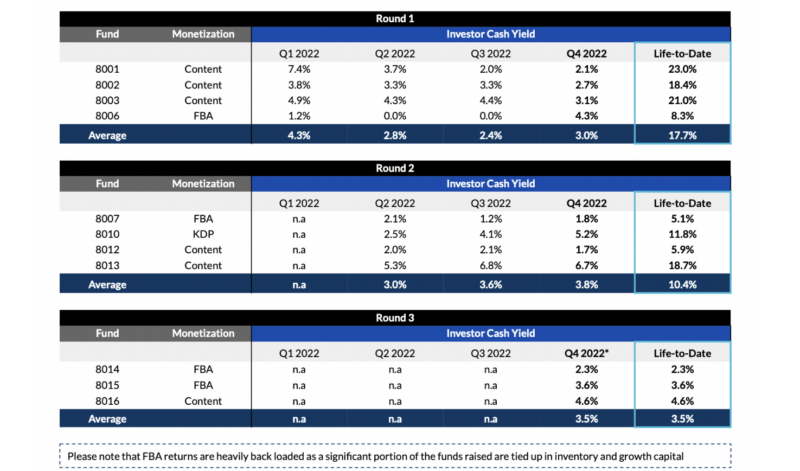
Our success is built on the top-notch performance of portfolio managers specifically hand-picked and rigorously vetted by the WebStreet staff. Their years of experience in acquiring online businesses, growing them for the set duration, and then ultimately selling them at a premium is what it takes for us to expose you to the best deals in online businesses.
The following case study will introduce you to our portfolio manager, Mohit and his association with WebStreet in facilitating investors with robust investment portfolios and higher returns.
8.2 Mohit Tater – 4x Portfolio Manager
Mohit Tater, the driving force behind Blackbook Investments and a distinguished portfolio manager at WebStreet, has meticulously curated a portfolio that today stands at a formidable $10 million, specializing in content sites.
From 2012-2013, under Mohit’s stewardship, Blackbook Investments has experienced explosive growth, a clear indication of his proficiency in navigating the complexities of the digital investment landscape.
This journey of growth has not only been about financial investments but also about the acquisition and nurturing of more than 100 websites, each with its unique value proposition and potential for growth.
One of the standout aspects of Mohit’s investment strategy is the leverage applied to investments. With a 4-5X leverage on investment for Portfolio Managers, Mohit has been able to amplify the growth potential of his portfolio significantly.
This aggressive yet calculated approach to investment leverage has enabled Blackbook Investments to maximize returns and foster exponential growth within a competitive digital marketplace.
Mohit Tater’s partnership with WebStreet has been pivotal in his journey of portfolio growth and management. As WebStreet connects accredited investors with established online business portfolio managers like Mohit, it offers a seamless gateway for passive investment in the burgeoning space of online businesses.
A Strategic Approach to Acquisitions
Mohit’s approach to acquisitions is a testament to his investment acumen. His strategy is built on the principle that the true value of an investment is realized at the time of purchase. This involves a diligent search for undervalued assets and the patience to seize the right opportunity at the right time.
His method ensures that profitability is not just a possibility but a guarantee, laying a robust foundation for future growth and returns. He succinctly encapsulates this approach, stating, “Whenever I’m looking to buy an asset or a website, I try to get it for the best price that I think I cannot lose on.”
Mastering Exit Strategies
Parallel to his acquisition strategy, Mohit places significant emphasis on crafting exit strategies that maximize profitability while ensuring the asset sold has ample room for growth under new ownership.
Mohit’s prudent management of expenses and optimization of sales strategies further bolster the profitability of each exit, underlining his meticulous approach to investment management. This dual focus enhances the value proposition for buyers and ensures sustained success for the assets beyond his stewardship.
The Power of Partnership: Mohit and WebStreet
A pivotal element of Mohit’s success narrative is his strategic alliance with WebStreet. The distinct moment of this partnership was in 2021, during WebStreet’s second investment round. The intensive support from WebStreet’s advisors was crucial, as Mohit recalls, “A game changer was… when WebStreet’s three advisors came in and worked with me five days in a row to close five deals.”
Acquisition Focus and Criteria
Mohit’s strategic brilliance extends into his acquisition focus and criteria, which are meticulously designed to identify potential assets promising high returns. His criteria center on growth trajectory, managing founder dependence, and creative deal structuring. These principles ensure that investments are not only primed for immediate success but are also positioned for sustained growth and expansion.
A Testament to Strategic Partnership and Innovation
Mohit Tater and WebStreet’s blueprint for success serves as an inspiring guide for a new generation of investors and entrepreneurs, highlighting the vast potential of online business investing. Through strategic insight, operational acumen, and a steadfast commitment to partnership, Mohit’s journey underscores the essence of achieving sustained growth and success in the digital age.
8.3 Chuck Mohler – 3x Investor
Possessing a substantial history in business consulting and an ability to identify promising investment opportunities, Chuck treated WebStreet’s alternative investment option with both interest and prudence.
His evolution from an experienced business consultant to an active online investor epitomizes the essence of contemporary investment strategy: diversification, simplification, and reliance on professional knowledge.
Chuck Mohler stands out from the typical investor. He is the lead consultant at Eagle Corporate Advisors, focusing on enhancing businesses and preparing them for sale or transition, which gives him an extensive insight into the corporate sphere.
In this section, we will dive deeper into the investor experience of Chuck with WebStreet.
The Discovery of WebStreet
Chuck’s path to WebStreet was anything but ordinary. His introduction to the platform occurred at a conference, a setting often overlooked by investors yet rich with opportunities. This initial encounter was no mere coincidence but a result of Chuck’s proactive search for innovative investment avenues.
The conference not only piqued his interest in the online space but also introduced him to WebStreet, a platform distinguished by its affiliation with Empire Flippers, a well-regarded name in the online business marketplace. This connection signaled to Chuck that WebStreet was a serious contender in the online investment world, meriting further exploration.
The WebStreet Difference
At the heart of Chuck’s decision to embark on an investment journey with WebStreet lies the platform’s unique value proposition: simplification, diversification, and trust in expert management.
WebStreet simplifies the investment process, allowing investors to navigate the complex landscape of online businesses with ease. It offers a gateway to diversification, providing access to a plethora of digital assets across varied sectors.
Most importantly, the trust vested in WebStreet’s expert management reassures investors of professional oversight, a crucial factor for Chuck, who acknowledges his limitations in directly managing multiple online ventures.
A Blueprint for Success
Chuck’s engagement with WebStreet underscores a meticulous approach to online investment, characterized by depth of vetting and strategic engagement. He appreciates the platform’s emphasis on connecting investors with portfolio managers based on their proven track records and strategic acumen.
This approach not only refines the investment experience but also opens doors to areas of the online business sector previously deemed out of reach for individual investors.
From Projection to Reality
What sets Chuck’s experience with WebStreet apart is the tangible financial outcomes. The alignment of actual results with initial projections reinforces the reliability and strategic prowess of WebStreet’s management.
Chuck’s perspective on investment returns—tempered with realism about the inherent risks and volatility of the online market—highlights a strategic patience and a long-term outlook that many investors might find enlightening.
The Road Ahead
Chuck’s narrative is more than just a testament to his success; it’s a forward-looking perspective on the potential of online business investments. His continued commitment to WebStreet, driven by strategic evaluation and positive returns, underscores the platform’s role in shaping the future of digital investments.
Chuck Mohler’s journey with WebStreet is a compelling case study for investors, entrepreneurs, and busy founders looking to navigate the complex yet rewarding world of online investments.
His experience illustrates the importance of strategic evaluation, the value of professional management, and the benefits of a long-term investment perspective. Chuck’s story is a clarion call to investors navigating the digital frontier, offering a blend of strategic insight and practical advice.
8.4 Final Word

Together, the journeys of Tater and Mohler with WebStreet offer invaluable insights into the essence of achieving sustained success in online businesses.
Their experiences testify to the power of strategic partnership, operational excellence, and innovative investment approaches, providing a robust framework for investors and entrepreneurs aiming to tap into the vast potential of online business investing.
This narrative celebrates their achievements and sets a benchmark for future investors in the digital frontier, emphasizing the importance of strategic evaluation, professional management, and a long-term investment perspective.
Whether new to digital investments or seeking to diversify and enhance your existing portfolio, WebStreet offers a seamless, strategic, and simplified gateway to achieving your financial goals.
Don’t let this opportunity to be part of the digital investment revolution pass you by. Take the first step towards realizing your investment potential and securing your financial future. Connect with WebStreet today, and let us help you unlock the door to a world of digital investment success.
Ready to Invest? Click here to begin your investment journey with WebStreet today!