

In today’s rapidly growing e-commerce sector, a singular giant leads the online retail market with unmatched authority: Amazon. This has made selling products online especially advantageous when using Amazon’s Fulfillment by Amazon (FBA) service. As a curious investor seeking to capitalize on a profitable market, you might be asking, what is Amazon FBA?
Amazon FBA is a program designed to make selling easier for entrepreneurs. Through Amazon, sellers can store their inventory in one of Amazon’s fulfillment centers, ultimately alleviating the challenges of storing and shipping. Thus, Amazon handles all the dirty work, making the entire process a lot smoother for both sellers and consumers.
There is no doubt why investors should have Amazon FBA under their radar. Over 60% of Amazon’s sales are attributed to independent sellers. Moreover, American sellers in 2023 sold an estimated 4.5 billion products through Amazon, with the average seller making over $250k in yearly sales.
With streamlined operations and access to a global market, Amazon FBA is like a jackpot for online sellers to begin making profits. Investors who want to capitalize on flourishing opportunities but aren’t familiar with Amazon FBA may be wondering how it works and why it’s advantageous.
Luckily, this guide will explain how Amazon FBA works from an investor’s perspective and whether it is a worthwhile investment path for first-timers.
How an Amazon FBA Business Works
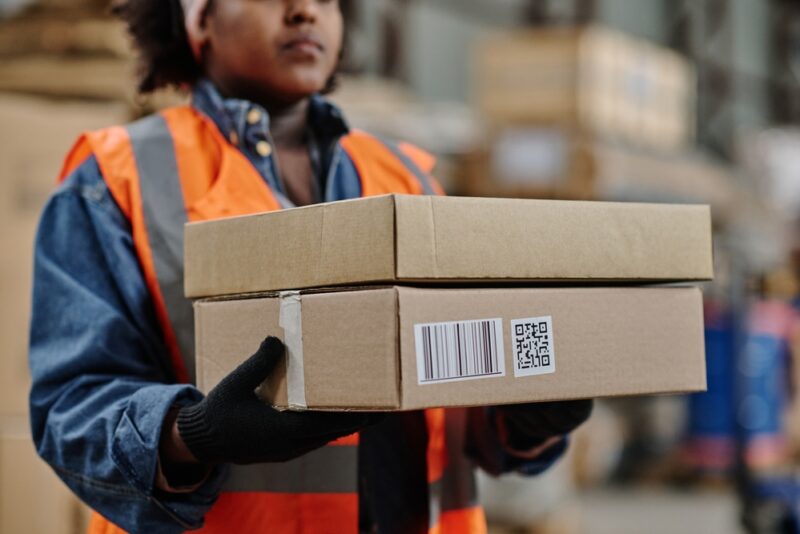
The first thing you should know before diving headfirst into this opportunity is how an Amazon FBA business works.
For those who want to know what is Amazon FBA in an investment context, it translates to Amazon’s business that supports other sellers’/companies’ efficient operations and significant growth potential in the booming e-commerce sector.
By using Amazon FBA, sellers can outsource the packing, shipping, delivering, and customer support aspects of their business, allowing them to place more focus on marketing and growth. For customers, they won’t even know they’re buying products from an Amazon FBA business.
The concept of Amazon FBA is pretty straightforward:
- Storage: Sellers ship their items or use freight forwarders to deliver their products to fulfillment centers that store them until sold. Sellers need to comply with Amazon’s preparation and labeling requirements before sending items to fulfillment centers.
- Product Management: Amazon manages logistics services from shipping to delivery, including the ordering process for customers.
- Delivery: Amazon’s extensive supply chain network allows it to deliver items on time to customers. While Amazon aims for seamless delivery, actual delivery times can be affected by various factors, such as demand, location, and external circumstances.
- Customer Service: Amazon will take care of all inquiries, such as refunds and returns.
- Dashboard: Sellers can monitor their business operations through a centralized platform. Through Amazon Seller Dashboard, they can keep track of their inventory, view sales performance, and adjust their business strategies based on these reports.
- Profits: Amazon dispatches funds into the seller’s bank account every two weeks, which can be tracked on Seller Central. The disbursement might be delayed if there are unresolved issues or disputes or if the seller is new and under Amazon’s payment reserve policy.
- Fees: Amazon FBA charges various fees, such as referral and storage fees, in return for using the service. Typically, these fees do not have to be paid until you sell your products. Some fees, such as long-term storage fees, can accrue even if products are not sold. Sellers should be aware of all potential fees, including those for oversized items, removal orders, and unplanned services.
What this means as an investor is that your Amazon FBA business is the “seller” shipping its product to an Amazon fulfillment center. Your business can leverage the power of Amazon’s brand name and network to ship your products to customers all over the world.
With a deeper understanding of how Amazon FBA works, investors can make informed decisions about whether this sector aligns with their financial goals. In hopes of providing valuable insight, we shed light on the pros and cons of Amazon FBA to help guide investors in confidently assessing this investment opportunity.
Visit our insights page to learn more about how to diversify your portfolio with online businesses, or follow along as we acquire them, manage them, and then sell them.
Is Amazon FBA Worth It? An Analysis

So, is Amazon FBA worth it? If we want to provide a clear answer, we must examine the benefits and pitfalls of this strategy. Simply answering the question of what is Amazon FBA is not enough to make an informed decision.
Advantages of Investing in an Amazon FBA Business
1. Time and Cost Efficient
As seen with how Amazon FBA works, outsourcing these processes saves time immensely, allowing you to dedicate more energy to essential tasks for growing your business. Supply chain management becomes easier when the main concern is shipping your inventory to Amazon’s fulfillment centers.
Additionally, investing with Amazon can be a cost-effective strategy for your business. Shipping through Amazon typically costs 70% less per unit compared to major US carriers with similar services.
Although there are fees that Amazon charges for using their services, eliminating the need for storage facilities and staff can prove to be cheaper overall. Having an in-depth understanding of the financial implications of running an Amazon FBA business is important to decide if this is a sustainable investment option for your long-term financial goals.
To learn more about potential fulfillment costs, use the Amazon Revenue Calculator to determine whether Amazon FBA is the optimal choice.
2. Access to a Large Market
By leveraging Amazon’s reputation in the e-commerce sector, investors can access a large market that has established trust in the brand. This is particularly advantageous if you start their business from scratch because it’ll be easier to reach your target market without extensive marketing strategies.
Furthermore, sellers can store inventory in international fulfillment centers through Amazon’s global fulfillment network. This enables a streamlined method to sell and ship products to customers across the globe.
3. Scalability
Having an Amazon FBA business plan is great for scaling your business to new heights. Not only do you gain global reach, but you can also grow your operations without dealing with logistics complexities.
Amazon FBA enables businesses to expand without requiring substantial investments in infrastructure. Sellers can effortlessly introduce new products and boost inventory levels without the concerns of storage issues.
Also, through the Amazon Seller Dashboard, you can predict future demand and examine sales patterns to make strategic decisions that can effectively enhance your business.
Investing in an Amazon FBA business has become increasingly attractive due to the improved clarity and security surrounding ownership transfers. If you prefer to invest in a pre-established business, Amazon allows for a smooth transition between buyers and sellers through well-defined procedures surrounding transferring seller accounts.
The ability to pass down ownership easily makes FBA businesses more marketable. This added liquidity can attract more buyers, potentially driving up the value of the business. For investors, this means a more attractive return on investment, whether through business growth or eventual resale.
From cost efficiency to the scalability of an Amazon FBA business, it’s clear why this presents a strong investment opportunity. However, it’s crucial to recognize that this model may not suit everyone.
The Disadvantages of Investing in Amazon FBA
A. Lack of Brand Control
An important aspect of any successful business is building a brand. This is difficult with Amazon FBA because everything is standardized—from the online product description to the packaging of your products. This can negatively affect your visibility, as you won’t be able to differentiate yourself from your competitors.
Not to mention, communication between you and your customers is strictly limited due to Amazon handling the customer service aspects of the operations. This restricts your business from creating any foundation for customer loyalty.
B. Increase in Product Returns
A drawback of Amazon FBA is the potential for increased returns, which can negatively impact profitability.
This is mainly because the return process is easy for customers, eliminating barriers such as shipping costs. This convenient process is in place to maintain customer satisfaction. Returns can incur additional costs related to handling and restocking the returned items. Over time, these costs can significantly accumulate, unfavorably affecting an investor’s ROI.
C. Competitive Market
The marketplace can feel saturated with the premium advantages of working with Amazon. Competition is high, meaning it could actually cost more to start your business.
Additionally, stepping into a market where established sellers have already built a presence can be challenging. New owners must implement effective strategies to stand out in a sea of businesses.
However, this competitive landscape can prove beneficial if you invest in an existing business because of the barriers to entry. It’s essential to remember, though, that proven businesses need to remain adaptable to shifting consumer trends in order to maintain their competitive edge.
D. Expertise is Required
A notable challenge investors face with Amazon FBA businesses is the required expertise necessary to scale an e-commerce business successfully. Besides having a comprehensive understanding of the e-commerce business model, it is crucial to have an in-depth knowledge of the Amazon FBA landscape, including the rules and regulations that are imperative to follow.
This severely limits the opportunities for investors who are unfamiliar with e-commerce management. The learning curve can be very steep, making it an intimidating investment strategy to add to your portfolio.
So, going back to the question: Is Amazon FBA worth it? The answer is yes, but primarily for investors who possess experience with Amazon’s platform. It also very much depends on whether you’re starting a business from the ground up or purchasing an established one.
Luckily, accredited investors who find Amazon FBA an irresistible opportunity but don’t necessarily have the time or expertise to manage a business actively can turn to WebStreet.
What Is Amazon FBA: Conclusion

Having answered the question, “What is Amazon FBA?” investors can decide whether to pursue this investment opportunity.
Amazon FBA offers investors a powerful opportunity to leverage Amazon’s extensive logistics network, reach a global customer base, and scale efficiently without significant infrastructure investments.
Nonetheless, it’s essential to balance these benefits against the potential challenges, including the need for expertise and the competitive marketplace, to determine whether this investment is worthwhile.
For accredited investors who do not want to miss out on a profitable opportunity like this, partnering with a reliable alternative investment platform like WebStreet can make all the difference.
WebStreet stands at the forefront of online business investments by offering investors a completely revolutionized method of investing. Investors who don’t have the time or expertise to effectively manage an Amazon FBA business can capitalize on this sector through a passive investment model.
This is made possible by connecting investors with WebStreet’s experienced portfolio managers with proven track records in scaling various online businesses, including Amazon FBA ventures. Their seasoned expertise ensures that your investments are managed by professionals who understand the intricacies of the Amazon landscape, optimizing your chances for significant returns.
With a minimum investment of $60,000, accredited investors gain access to a diverse portfolio of online assets that extend beyond Amazon FBA. This portfolio includes SaaS platforms, content sites, Amazon KDP businesses, and more. By investing through WebStreet’s funds, investors can benefit from a variety of these high-growth assets, further diversifying their portfolio while mitigating risk simultaneously.
Beyond a shadow of a doubt, Amazon FBA is a lucrative venture that you don’t want to miss out on. WebStreet’s emphasis on providing investors with a streamlined solution to maximize their gains while minimizing risks makes it an ideal choice for those looking to invest in the thriving world of Amazon FBA and other online businesses.
Click Here To Start Your Journey With WebStreet Today. Unlock the door to diversified, alternative investments and learn more about investing in online businesses by reading our insights.